Copy Link
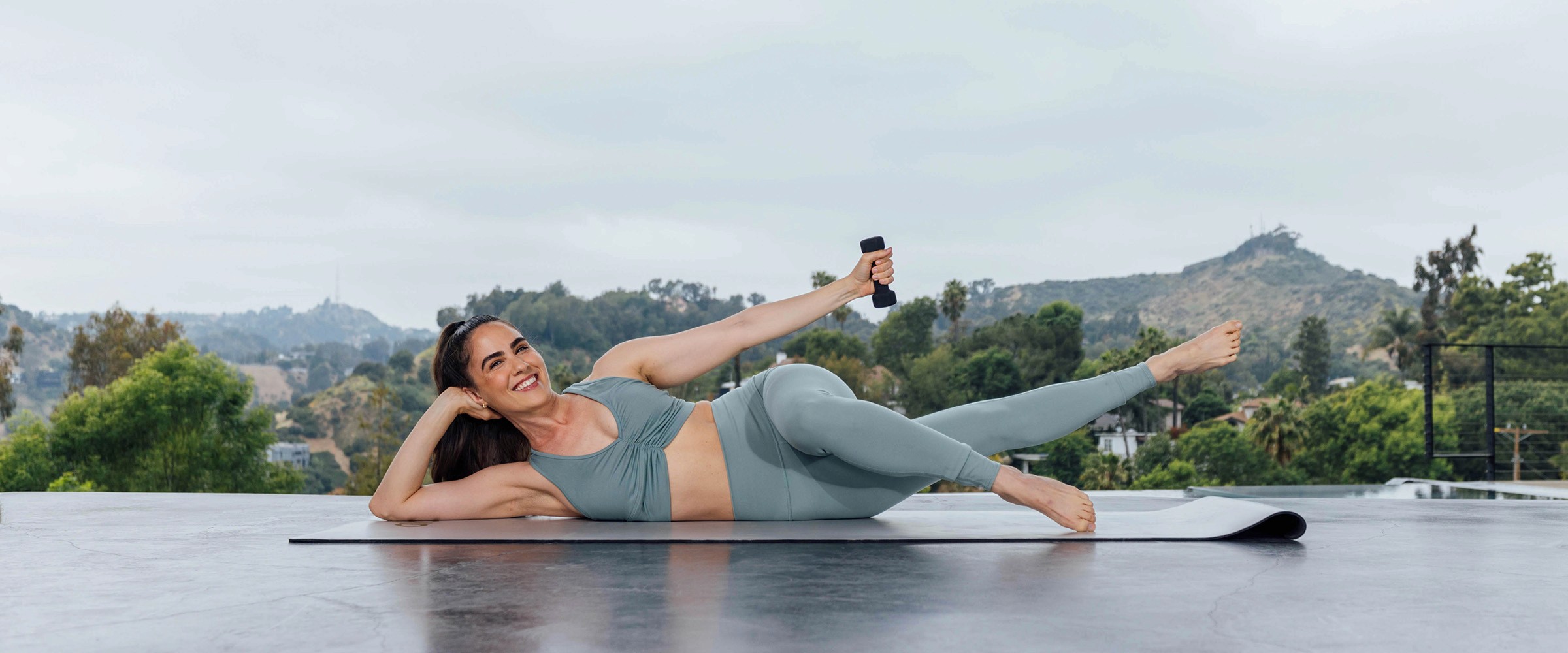
Pilates vs. Yoga: Which One is Best for Your Fitness Goals?
A deep dive into the benefits of both practices to help you choose the right one for your body and lifestyle.



In today’s digital world, designing for accessibility is not optional—it’s essential. Accessible design ensures that your interfaces are usable by people with diverse abilities, making your product more inclusive and impactful. In this article, we’ll discuss the principles of accessible design, from proper contrast ratios to screen reader compatibility, and explore how these choices can expand your audience reach.
An accessible product is not just a legal or ethical requirement—it’s a competitive advantage. When you prioritize accessibility, you’re not just serving users with disabilities; you’re improving usability for everyone. Features like clear navigation, scalable text, and keyboard shortcuts enhance the experience for all users, including those in low-light environments or using mobile devices.
Unlock All Articles
Purchase AcademyHub+ to gain access to all available lessons and articles in the library
Share lesson:
About Author
A former competitive runner, Marcus is dedicated to helping athletes build stamina and push their limits. Whether you’re training for a marathon or just looking to increase endurance, his strategic workouts will challenge and elevate your performance.
Be notified of new videos & blog posts
You've been subscribed!